You booked your CO2 laser resurfacing treatment, or you’re close to it, and now you want to know what the next few weeks will really look like. That’s a smart question to ask early. This CO2 laser recovery guide walks you through each stage of healing so you can plan your time, protect your results, and feel confident in how your skin is changing.
Recovery is where your results take shape. The treatment itself takes under an hour, but your skin does its real work in the days and weeks after. Knowing what’s normal, what isn’t, and how to care for healing skin makes a noticeable difference in your final outcome.
At Laguna Aesthetics, our licensed providers guide every client through recovery, not just the appointment. If you’re considering CO2 laser in Laguna Beach, you’ll leave with a clear aftercare plan and a team you can reach while you heal.
Key Takeaways
- Most of the visible healing from CO2 laser resurfacing happens in the first 5 to 7 days, while collagen remodeling continues for several months after your skin looks healed.
- Gentle cleansing, a healing ointment, and strict sun avoidance are the three habits that protect your results and lower your complication risk.
- Coastal living adds extra UV and wind exposure, so treatment timing and diligent sun protection matter even more for Laguna Beach clients.
How Laser Resurfacing Works on Your Skin
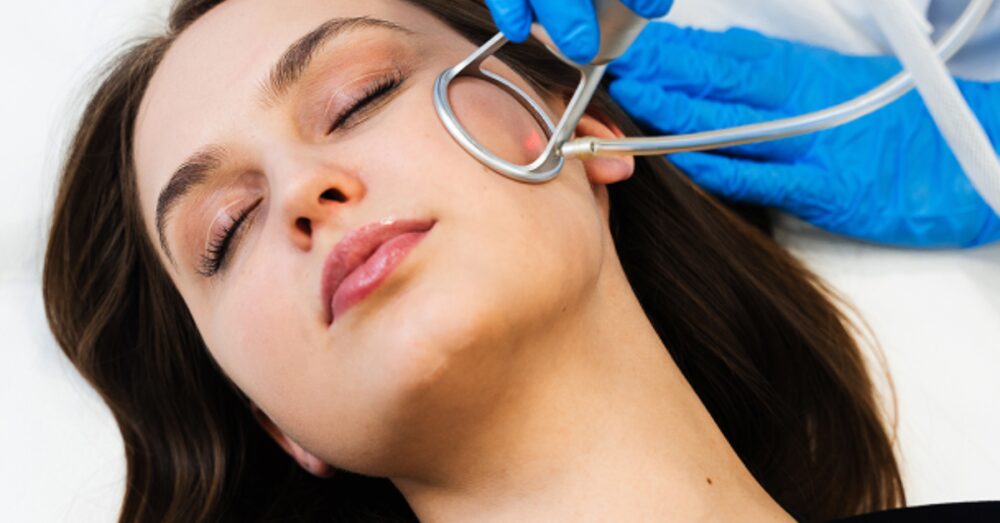
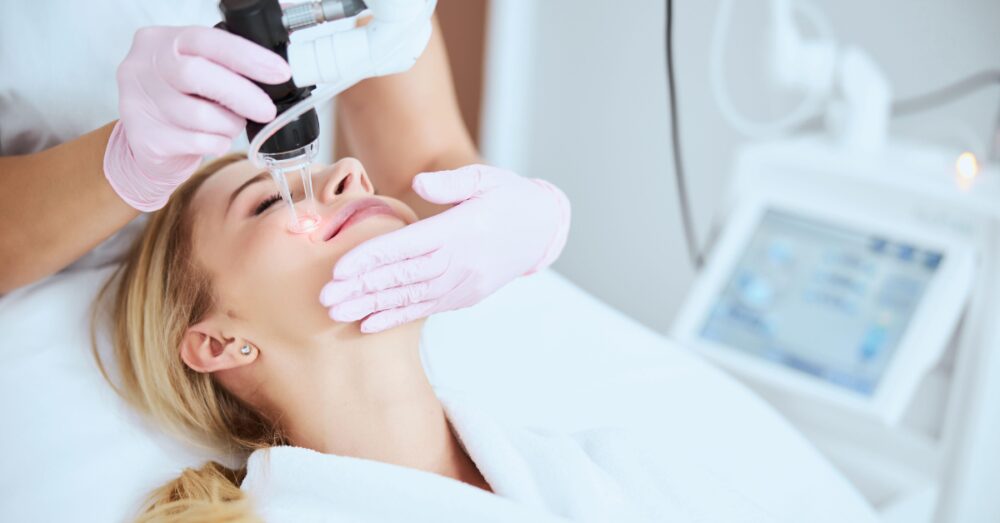
Fractional CO2 laser resurfacing sends columns of laser energy into the skin, creating tiny treated zones surrounded by untouched skin. That surrounding tissue is the secret to faster healing. It acts as a reservoir of healthy cells that helps the treated area rebuild quickly.
As your skin regenerates, it pushes out damaged cells and builds new skin from below. At the same time, the controlled injury triggers your body’s natural wound healing response, which is what stimulates collagen and improves skin texture and skin tone over time.
The treatment depth shapes your recovery more than anything else. A lighter pass may mean a few days of redness and flaking, while deeper settings for scars or deep wrinkles mean a longer recovery period. Your provider chooses the depth based on your goals, skin type, and how much downtime you can realistically take.
What Does CO2 Laser Recovery Look Like Week by Week?
Every client heals a little differently, but the recovery process follows a fairly predictable path. Here’s a realistic picture of what to expect.
The First Week
The first two to three days are the most intense. Your skin will feel warm and tight, similar to a mild sunburn, and you’ll likely notice swelling, especially around the eyes. Sleeping slightly elevated and using a clean, wrapped ice pack for short intervals can help reduce swelling.
Around days three to five, active peeling begins. Your skin may look bronzed or darker as the old surface layer loosens. This is a good sign. Let flakes shed on their own, because picking can introduce bacteria, delay healing, and raise the risk of scarring or pigmentation changes.
By the end of the first week, most of the peeling settles and fresh pink skin appears. Many clients feel comfortable running errands or returning to work at this point.
Weeks Two Through Six
Your new skin will look pink and feel delicate for a while. This visible redness is normal and tends to gradually fade over several weeks. For some people, especially after deeper treatments, a soft flush can linger longer, so patience pays off here.
Beneath the surface, collagen remodeling is just getting started. Firmness and smoothness keep improving for three to six months, which is why your skin often looks better at month three than at week three.
Your Skincare Routine During the Healing Process
Less is truly more after laser skin resurfacing. Your skin barrier is rebuilding, and it doesn’t need extra ingredients competing for attention. A simple routine built around a gentle cleanser and a protective healing ointment supports tissue repair best.
Cleanse gently with lukewarm water and a fragrance-free cleanser, using your fingertips rather than a washcloth. Pat dry with a clean towel. Then apply a thin layer of the ointment or recovery product your provider recommends to keep freshly treated skin moist while it heals.
Hold off on retinoids, vitamin C, and exfoliating acids until your provider clears you, usually a few weeks out. Reintroducing active products too early is one of the most common reasons we see irritation or prolonged redness. When you do restart, bring products back one at a time.
When Can You Wear Makeup Again?
Most people can apply makeup once peeling has stopped and the skin has fully closed, typically around days seven to ten. Wearing makeup on open or flaking skin can trap bacteria and irritate the treated area.
When you’re ready, mineral makeup is usually the gentlest choice. Use clean brushes or sponges, and remove everything at night with gentle cleansing so your skin can keep healing overnight.
Why Sun Protection Makes or Breaks Your Results
Healing skin is extremely sensitive to ultraviolet exposure. Even a short walk in direct sun exposure can cause inflammation and dark patches known as post-inflammatory hyperpigmentation. This risk is higher for deeper skin tones, but it applies to everyone.
For the first week, strict sun avoidance is the goal. Stay indoors when you can and wear a wide-brimmed hat if you step out. Once your skin has closed, a broad-spectrum mineral sunscreen with SPF 30 or higher becomes a daily essential, reapplied every two hours outdoors.
Mineral sunscreen tends to be less irritating than chemical formulas on healing skin. Keep up strict sun protection for at least a few months, since new skin stays more vulnerable to sun damage during that window. The American Board of Cosmetic Surgery also emphasizes sun protection as a key part of laser resurfacing aftercare.
Planning CO2 Laser in Laguna Beach Around Coastal Life
Living by the ocean shapes recovery in ways many generic guides miss. Sand and water reflect UV rays, so even shaded beach time delivers more sun than you’d expect. Saltwater, pools, and sweaty trail hikes can also irritate healing skin and should wait until your provider says your skin has closed.
Timing matters too. Many clients choose CO2 laser in Laguna Beach during the cooler, cloudier months, when there are fewer beach days to miss and UV levels are lower. Ocean breezes can dry out skin quickly, so keeping your healing ointment close by helps prevent tightness and cracking.
If you have a wedding, vacation, or event coming up, plan your CO2 laser treatments at least four to six weeks ahead. That gives redness time to settle so you can enjoy the moment with smooth, fresh skin.
From our treatment room, the biggest factor in great results isn’t the device setting. It’s what happens at home in the first ten days. The clients with the best outcomes tend to be the ones who follow their aftercare instructions closely and resist the urge to “help” their skin with extra products. We also highly recommend scheduling follow up visits to track your progress. Seeing how your skin responds helps us fine-tune future sessions and keep your long-term skin health on track.
Frequently Asked Questions About CO2 Laser Resurfacing
How long should I wait to exercise after CO2 laser resurfacing?
Light walking indoors is usually fine within a few days, but most people should wait about one week before returning to intense workouts. Heavy sweating can irritate freshly treated skin, raise swelling, and increase the chance of bacteria reaching the treated area. Once peeling has stopped and your skin has closed, you can ease back into normal activities. Your provider will confirm when your skin is ready.
Is it normal for my skin to look darker a few days after CO2 laser?
Yes, a bronzed or darker look around days three to five is a normal part of healing. It happens because the old, treated surface layer is loosening before it sheds. This layer usually flakes away within a few days, revealing pink new skin underneath. Avoid scrubbing or peeling it off. If dark patches appear weeks later instead, contact your provider, since that may signal hyperpigmentation.
Can I go to the beach after CO2 laser treatment in Laguna Beach?
It’s best to avoid the beach for at least two weeks, and longer after deeper treatments. Sand and water reflect UV rays, increasing sun exposure even under an umbrella, while salt water can sting and irritate healing skin. When you do return, wear a broad spectrum sunscreen, a wide-brimmed hat, and seek shade. Protecting your skin this way helps prevent pigmentation changes and preserves your results.
How long does redness last after fractional CO2 laser?
Redness typically looks like a sunburn for the first week, then softens to a light pink that gradually fades over several weeks. After deeper treatments, a mild flush may last one to three months. Diligent sun protection, a simple skincare routine, and avoiding active ingredients too early all help redness resolve faster. If redness spreads or feels hot and painful, contact your provider.
When will I see my final results after CO2 laser resurfacing?
You’ll notice smoother, brighter skin within two to three weeks, once peeling and early redness settle. Your final results take longer, though. Collagen remodeling continues for about three to six months, so skin texture, firmness, and fine lines keep improving well after you look healed. Some clients with deeper scars or wrinkles benefit from more than one session, which your provider can plan with you.
Start Your CO2 Laser Journey With Laguna Aesthetics
Great results begin with a provider who knows your skin and stays with you through every stage of healing. At Laguna Aesthetics, your experience starts with a personalized consultation where we listen to your goals, assess your skin, and build a plan that fits your life. From your first visit to your final follow-up, you’ll feel cared for in a calm, luxurious setting designed around your comfort.
Our licensed providers take a results-driven approach to CO2 laser in Laguna Beach, pairing precise treatment with clear, supportive aftercare. We also offer HALO, BBL Hero, IPL, and Aerolase, so if a lighter option suits your schedule better, we’ll help you find the right fit for your skin rejuvenation goals.
Ready to see what your skin can do? Visit us at 1100 S Coast Hwy #212, Laguna Beach, CA 92651, or call us at 713-807-1000 to book your consultation today.